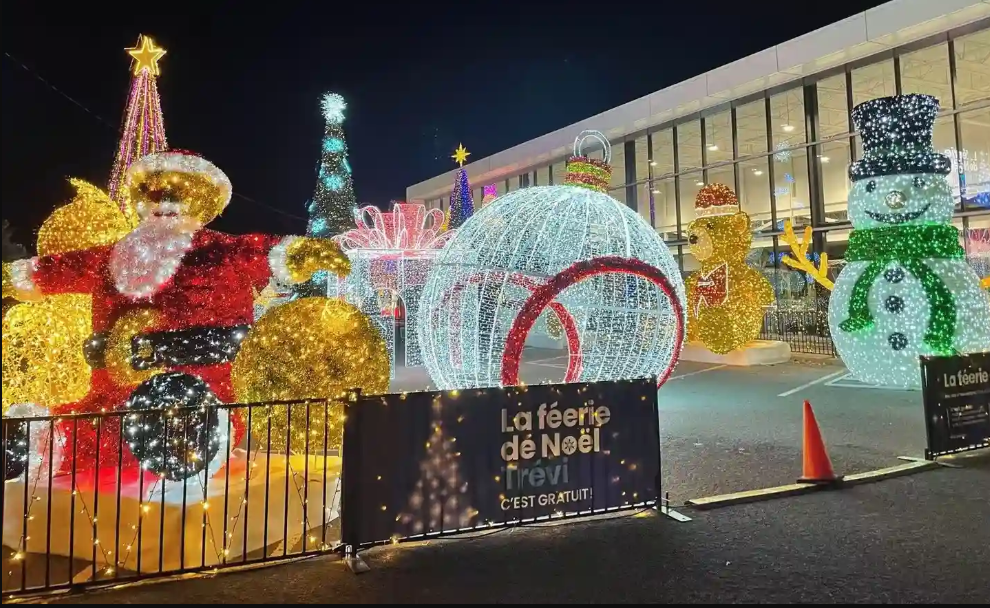

Holiday light displays and winter festivals create a unique set of sanitation challenges. Guests may spend hours walking through illuminated trails, visiting food vendors, watching performances, shopping seasonal markets, or waiting in lines for attractions. Cold weather, early sunsets, wet ground, snow, and limited daylight can all affect where portable restrooms should be placed and how easily guests can use them.
For event planners, portable sanitation should be integrated into the larger winter event layout. Restroom locations, lighting, accessibility, servicing, and guest flow all need to work together. A well-planned setup can make the event more comfortable while helping staff maintain cleaner and more organized grounds throughout the season.
Start With the Full Event Layout
Holiday events often cover more space than a typical one-day festival. A light display may wind through a park, fairground, botanical garden, downtown district, or attraction property. Winter festivals may also include food vendors, skating areas, entertainment stages, craft markets, children’s activities, and photo opportunities.
Event planners should map the entire site before deciding where restrooms belong. Mark parking areas, entrances, ticketing zones, walking routes, food areas, seating, performance spaces, and exits.
Restrooms should follow the natural movement of guests rather than being concentrated only near the main entrance.
Place Restrooms Near High-Traffic Areas
The most useful restroom locations are usually near areas where people spend the most time. Food courts, entertainment zones, skating areas, children’s attractions, and major gathering points tend to create steady demand.
When arranging porta potty rental for a winter event, planners should consider using multiple restroom clusters if the site is large. This can reduce long walks and prevent one location from becoming overloaded.
Placement should remain far enough from food preparation and dining areas to maintain guest comfort.
Account for Cold Weather
Cold temperatures can affect both guests and sanitation logistics. People may want to spend less time waiting outdoors, so long restroom lines can become especially frustrating.
Event planners should provide enough capacity to keep lines manageable during peak periods. Units should also be placed where guests can reach them without crossing icy, muddy, or poorly maintained areas.
In areas where freezing temperatures are common, planners should also coordinate servicing and winterization needs with the sanitation provider. Cold-weather preparation may affect how units are maintained throughout a multi-day or multi-week event.
Keep Walkways Safe and Visible
Winter events often continue well after dark, making lighting around restroom areas especially important. Guests should be able to see the route, entrance, surrounding ground, and any temporary barriers.
Restroom paths should be kept clear of cords, decorations, snow piles, ice, vendor equipment, and temporary fencing. If snow or freezing rain occurs, these routes may require additional attention during the event.
Portable restrooms should not be placed in dim corners simply because the space is unused. Visibility makes facilities easier to find and can improve the overall guest experience.
Consider Snow and Ground Conditions
A restroom location that works perfectly during setup may become difficult to use after snow, rain, or repeated foot traffic.
Units should be placed on firm, relatively level ground whenever possible. Avoid low areas where water collects or surfaces that may become deeply muddy.
Event teams should also think about snow removal. Restrooms should not block plow routes, and snow piles should not eventually surround the units or obstruct their doors. Enough space should remain around the restroom area for safe access throughout the event.
Support Food and Beverage Areas
Hot chocolate, coffee, cider, seasonal drinks, food trucks, concession stands, and holiday treats are often major parts of winter festivals. Food and beverage service naturally increases restroom demand.
Restrooms should be reasonably close to these areas without sitting directly beside vendor lines or dining spaces. Handwashing or sanitizing stations can also be helpful near restroom clusters and food zones.
If alcohol is served, planners should consider additional demand and make water access easy to find as part of the overall guest amenity plan.
Plan for Families with Children
Holiday light displays and winter festivals often attract families with young children. Parents may be managing strollers, coats, gloves, bags, snacks, and tired children while navigating crowded paths.
Restroom access should be relatively close to family-focused activities such as Santa visits, children’s rides, craft areas, play zones, and holiday character experiences.
Clear signage is especially useful because families may not want to walk several minutes in the wrong direction when a child suddenly needs a restroom.
Include Accessible Restroom Options
Accessible sanitation should be part of the initial layout. Units should be positioned near firm, practical routes rather than isolated on soft ground or behind barriers.
Snow, ice, gravel, muddy grass, and temporary electrical cables can all make access harder for guests using wheelchairs, walkers, scooters, or other mobility aids.
Event planners should also ensure that accessible routes remain maintained throughout the event, not just on opening day.
Protect Service Access
Multi-day winter events require ongoing servicing. Portable toilets may need cleaning, pumping, restocking, or other maintenance while the event remains operational.
Service vehicles need a route that stays open despite vendor vehicles, decorations, temporary structures, snow piles, and guest traffic. Restrooms should not be placed where holiday displays or barricades later trap them.
Planning service access in advance is especially important for events that run every evening for several weeks.
Plan for Peak Attendance
Holiday events often experience predictable surges. Friday and Saturday evenings may be significantly busier than weeknights. Special performances, tree-lighting ceremonies, holiday weekends, and school breaks can also increase attendance.
Restroom planning should account for these peak periods rather than relying only on average attendance.
If a seasonal event grows over time, planners should review actual restroom demand from previous years. Long lines, supply shortages, or frequently crowded locations are signals that capacity or placement may need adjustment.
Use Clear Winter-Friendly Signage
Restrooms should be easy to find from major walking paths. Signs can be placed near entrances, food areas, entertainment zones, and intersections along illuminated trails.
Winter signage needs to remain visible after dark and should not disappear behind crowds, decorations, or snow. Event maps and mobile information pages can also identify restroom locations for larger venues.
Good signage helps distribute demand instead of sending everyone toward the first restroom cluster they notice.
See Also: How Should You Choose the Right Recovery Centre For Your Needs?
Support Staff and Vendors
Guests are not the only restroom users. Vendors, entertainers, security personnel, maintenance crews, parking staff, volunteers, and event managers may remain on-site for much longer shifts.
Staff facilities should be close enough to operational areas that workers do not have to leave their posts for extended periods.
This becomes especially important during long evening events when crews arrive before sunset and remain well after guests leave.
Keep Restrooms Available During Setup and Breakdown
Winter festivals require extensive setup and teardown. Decorations, lights, vendor booths, barriers, stages, and temporary structures may be installed or removed over several days.
Portable sanitation should be available to workers during these periods, not just during public operating hours.
Event planners should coordinate delivery and pickup dates around the complete operational schedule so crews are supported from initial setup through final breakdown.
Portable sanitation planning for holiday light displays and winter festivals requires special attention to cold weather, darkness, ground conditions, families, food service, and seasonal attendance patterns.
By placing facilities near high-use areas, maintaining safe and well-lit routes, protecting service access, and planning for peak crowds, event planners can create a more comfortable winter experience. A thoughtful sanitation setup helps guests focus on the lights, entertainment, and holiday atmosphere instead of searching for the nearest restroom.