
Clothing is closely connected to the way people live, work, travel, and spend their free time. Modern consumers often want garments that can move easily between different activities while maintaining a comfortable and attractive appearance. This shift has encouraged apparel businesses to explore designs that combine casual fashion with practical features.
From relaxed streetwear to outdoor-inspired collections, the fashion industry continues to introduce new ways of approaching everyday clothing. Understanding these influences can help retailers develop product ranges that appeal to customers with different interests and lifestyles.
The Connection Between Lifestyle and Fashion
Fashion trends are often influenced by everyday experiences. Changes in work routines, recreational activities, travel habits, and social preferences can affect the types of clothing people choose.
For example, relaxed clothing has become an important part of many casual wardrobes. Comfortable trousers, lightweight tops, hoodies, and versatile jackets can be worn in different settings without requiring complicated styling.
Outdoor activities also influence clothing preferences. People who enjoy hiking, fishing, camping, or spending time in nature may look for garments that offer practical features alongside a suitable appearance.
These lifestyle connections create opportunities for apparel businesses to develop collections with a clearer purpose.
How Casual Fashion Has Evolved
Casual clothing was once mainly associated with relaxed settings and informal occasions. Today, it represents a much broader range of styles.
Basic garments can now be combined with contemporary silhouettes, distinctive colors, and carefully selected accessories. A simple outfit consisting of a shirt, comfortable trousers, and sneakers can look modern through the right fit and color coordination.
Minimal fashion has also remained popular because it allows customers to create several outfits using a smaller number of clothing items.
Retailers can respond to these preferences by offering practical essentials alongside selected trend-inspired products.
Outdoor Inspiration in Everyday Apparel
Outdoor-inspired fashion brings together elements of recreational clothing and everyday style. Its influence can be seen in functional pockets, durable-looking fabrics, relaxed fits, layered outfits, and nature-inspired colors.
Earth tones such as olive, brown, beige, and dark green are often used in these collections. These shades can create a connection with outdoor environments while remaining easy to coordinate with everyday clothing.
Brands such as huk clothing provide a point of reference for exploring the relationship between outdoor activities and apparel design. Their market positioning can help retailers understand how clothing can reflect specific interests and lifestyles.
However, when selecting products, businesses should always evaluate the actual materials, construction, and features rather than assuming that every outdoor-inspired garment offers the same performance.
See also: Singapore Company Incorporation: A Practical Guide to Building Your Business in Asia
The Influence of Contemporary Streetwear
Streetwear has also helped shape modern casual fashion. Its popularity comes from relaxed fits, comfortable garments, expressive designs, and the freedom to combine different clothing categories.
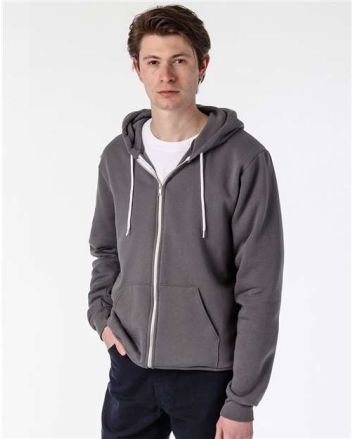
Oversized shirts, hoodies, sweatshirts, joggers, and casual jackets are common elements of streetwear-inspired wardrobes.
A useful feature of this style is its flexibility. Customers can keep an outfit simple with neutral colors or introduce stronger visual elements through graphics and accessories.
Retailers interested in contemporary casual fashion can research los angeles apparel to explore different approaches to everyday clothing, garment silhouettes, and casualwear presentation.
Studying different apparel brands can offer inspiration, but businesses should develop their own product identity instead of reproducing another company’s designs or branding.
Choosing the Right Materials for Different Activities
The purpose of a garment should influence its material selection. Clothing intended for relaxed everyday use may prioritize softness and comfort, while products designed for outdoor activities may require additional attention to construction and functional features.
Common considerations include:
- Cotton: Often selected for its familiar feel and everyday versatility.
- Polyester: Used in various apparel categories and fabric blends.
- Fleece: Frequently used for warm layers and comfortable sweatshirts.
- Cotton blends: Can combine different fabric characteristics depending on their composition.
- Lightweight woven materials: Used in different types of casual and outdoor clothing.
Retailers should review product specifications carefully and avoid making performance claims that are not supported by the manufacturer’s information.
Creating Outfits Through Layering
Layering is an effective way to make clothing more adaptable. It allows people to adjust their outfits according to temperature, activity, and personal style.
A basic T-shirt can serve as the foundation of an outfit. A sweatshirt or hoodie can provide an additional layer, while a lightweight jacket can complete the look.
For outdoor-inspired styling, customers may combine neutral-colored tops with cargo trousers and practical footwear. For a more urban appearance, relaxed jeans, an oversized sweatshirt, and simple sneakers can create a balanced outfit.
The most successful combinations consider proportion and color. Combining loose and structured garments can prevent an outfit from appearing unbalanced.
The Importance of Color Coordination
Color plays an important role in connecting different clothing pieces. A carefully selected palette makes it easier for customers to combine garments and create coordinated outfits.
Neutral colors are particularly useful because they work with many other shades. Black, grey, white, navy, and beige can form the foundation of a versatile wardrobe.
Outdoor-inspired collections may also incorporate olive, rust, tan, and other earthy shades. These colors provide variety while maintaining a consistent visual direction.
Retailers can organize their collections around complementary colors to make product combinations more appealing.
How Retailers Can Identify Their Target Customers
Not every clothing style appeals to the same audience. A business selling casual streetwear may attract customers who prefer contemporary silhouettes, while an outdoor-focused retailer may serve people interested in recreational activities.
Understanding the target customer helps businesses make more relevant product decisions.
Retailers can research their audience through:
- Customer surveys and feedback.
- Website browsing and purchasing patterns.
- Social media discussions.
- Product reviews and common questions.
- Competitor product categories and market positioning.
This information can help businesses identify useful product opportunities and avoid investing in items that do not match customer demand.
Presenting Lifestyle Clothing Online
Online presentation is particularly important for lifestyle-focused apparel. Customers often want to see how clothing looks in real-world situations rather than viewing only isolated product photographs.
Lifestyle photography can demonstrate how garments work together in casual, urban, or outdoor settings. Product descriptions should explain available sizes, materials, fit, and confirmed features.
Retailers should also make navigation simple. Organizing products into clear categories allows visitors to find relevant clothing more easily.
When product information and visual presentation work together, customers can make more informed purchasing decisions.
Conclusion
Modern casual fashion reflects the changing lifestyles of consumers. Streetwear, outdoor activities, and everyday comfort continue to influence clothing choices, creating opportunities for apparel businesses to explore different product categories.
By understanding their target audience, selecting appropriate materials, using thoughtful color combinations, and presenting products clearly, retailers can develop collections that connect with customers. The strongest approach is to combine practical clothing choices with a consistent and recognizable fashion identity.