
Entertainment has changed dramatically over the past two decades. People once depended mainly on television schedules, physical games, DVDs, and traditional cinemas. Today, digital platforms allow audiences to watch videos, play games, listen to music, and interact with creators whenever they choose.
Gaming has become a major part of this transformation. Modern games are no longer limited to individual players sitting in front of a computer or console. Online communities, multiplayer experiences, streaming platforms, and mobile devices have turned gaming into a connected form of entertainment.
As technology develops, the relationship between creators, players, and audiences continues to evolve.
The Rise of Online Gaming
Online gaming allows players to compete or cooperate with others through internet connections. Multiplayer games bring together people from different countries and create shared experiences that may continue for months or even years.
Some games focus on teamwork, while others emphasize competition, exploration, strategy, or storytelling. Players can communicate through text or voice features, form teams, and participate in organized events.
These experiences have helped create large gaming communities. Many players enjoy the social side of gaming as much as the gameplay itself.
However, a positive experience depends on responsible behavior. Respectful communication, fair play, and appropriate screen time help make gaming communities more welcoming.
How Gaming Technology Is Improving
Modern gaming technology continues to improve graphics, sound, performance, and interaction. More powerful hardware allows developers to create detailed environments and smoother gameplay.
Game engines provide tools for building realistic characters, environments, and animations. Improvements in artificial intelligence can also make certain game characters respond more naturally to player actions.
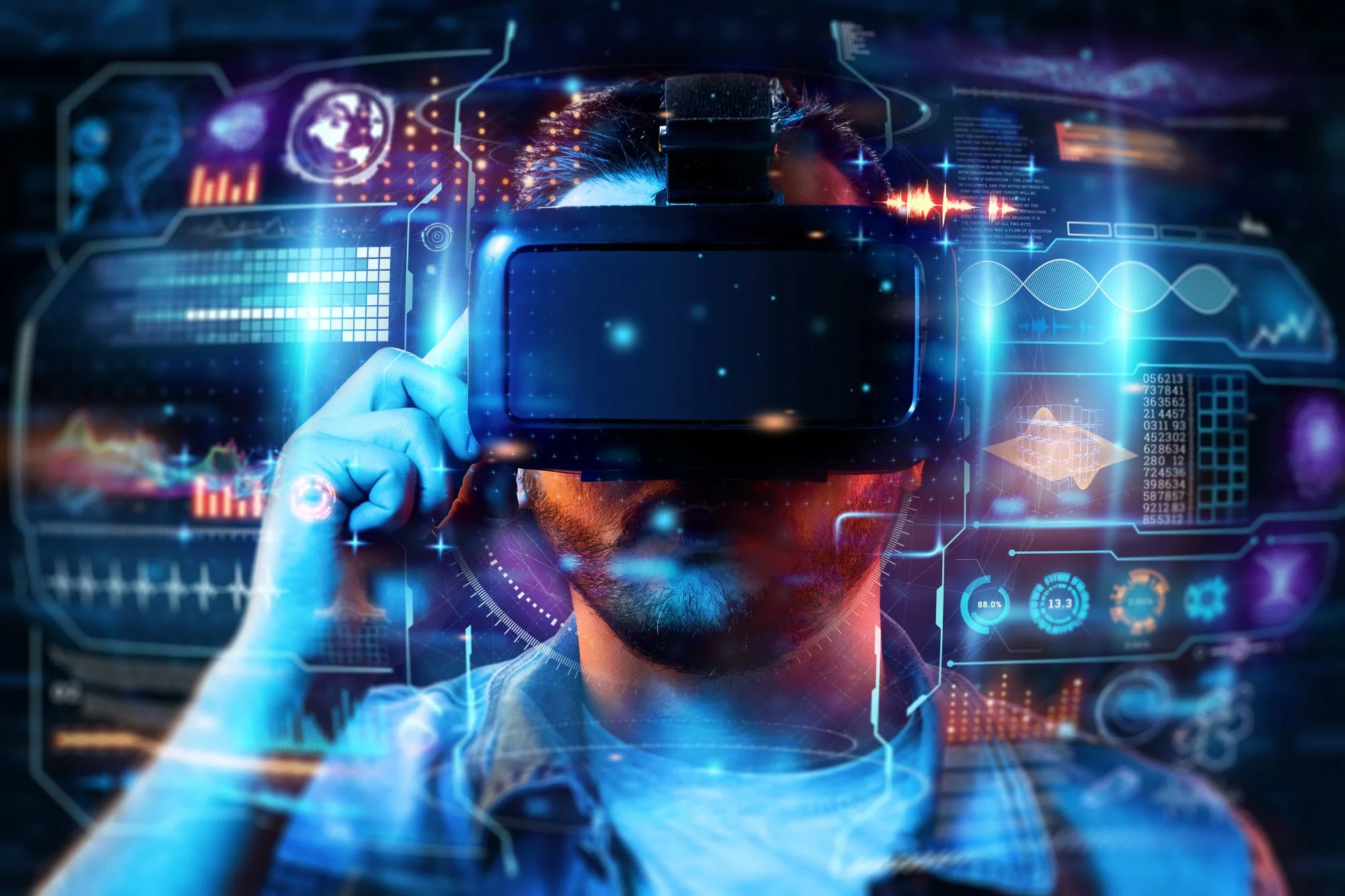
Virtual reality introduces another way to experience digital environments. With compatible equipment, players can look around and interact with virtual spaces in a more immersive way.
Augmented reality combines digital elements with the real world. It can support games that use a phone or other device to display interactive content within a physical environment.
These technologies are still developing, and their availability depends on hardware, software, and cost.
The Growth of Mobile Entertainment
Mobile gaming has made digital entertainment accessible to people who may not own a gaming computer or console. Smartphones and tablets offer a wide range of games, from short puzzle experiences to complex multiplayer titles.
The convenience of mobile devices allows people to play during free moments, although users should manage screen time carefully. Some games include in app purchases, subscriptions, or other payment features, so it is important to understand spending options before making purchases.
Mobile entertainment also includes streaming, short videos, podcasts, and interactive content. These formats allow users to enjoy different experiences without needing several separate devices.
Streaming and the New Entertainment Experience
Streaming has changed how people discover and enjoy games. Content creators broadcast gameplay, explain strategies, review new releases, and communicate with viewers through live chats.
This has created new opportunities for talented players, entertainers, and commentators. A creator can build an audience by offering useful tutorials, interesting discussions, or entertaining content.
Viewers also become part of the experience. They can ask questions, share opinions, and interact with creators during broadcasts.
However, audiences should be aware that not every online review or recommendation is independent. Sponsored content and promotional partnerships should be identified clearly so viewers can understand the purpose of a message.
The Importance of Technology News for Gamers
Gaming technology changes quickly. Hardware releases, software updates, security improvements, and new development tools can affect how people play and choose equipment.
Keeping up with reliable information can help gamers make better decisions. Before purchasing a new device, it is useful to compare performance, compatibility, warranty coverage, and the types of games it supports.
People interested in digital entertainment and wider technology developments can follow gaming and technology coverage at Eyexcon. Reading about industry changes can help audiences understand how new products and digital experiences are shaping entertainment.
Artificial Intelligence in Game Development
Artificial intelligence is becoming an important tool in game development. Developers can use it to support testing, analyze player behavior, assist with certain creative tasks, and create more responsive experiences.
AI may also help improve non player characters by making their behavior less predictable. In some games, this can make environments feel more dynamic.
However, game development still requires creative direction, design knowledge, programming, sound production, and careful testing. AI tools can support these processes, but they do not automatically produce a complete and enjoyable game.
Developers must also consider fairness, privacy, and transparency when using systems that collect player information.
See also: Singapore Company Incorporation: A Practical Guide to Building Your Business in Asia
Gaming Communities and Online Safety
Online gaming communities can create friendships and shared interests, but they also require safety awareness. Players should avoid sharing personal information with strangers and should use strong passwords for gaming accounts.
Parents can help younger players understand chat settings, spending controls, and age appropriate content. Reporting and blocking tools should be used when users encounter harassment or suspicious behavior.
Players should also be careful when downloading unofficial modifications or files. Unknown downloads may contain harmful software or compromise account security.
Balancing Entertainment With Everyday Responsibilities
Gaming and digital entertainment can be enjoyable, but balance matters. Long sessions without breaks may affect sleep, physical activity, and other responsibilities.
Players can create a routine that includes time for work, education, exercise, family, and relaxation. Taking breaks during longer sessions can also reduce discomfort and support healthier habits.
Entertainment should add enjoyment to life rather than become a source of constant pressure.
What Comes Next for Digital Entertainment?
The future of gaming may include more cloud based services, interactive storytelling, improved virtual experiences, and stronger connections between different devices. These developments could make entertainment more accessible and flexible.
At the same time, questions about data protection, digital ownership, accessibility, and responsible spending will remain important.
Final Thoughts
Gaming and entertainment have become more connected, interactive, and accessible through modern technology. Online communities, streaming, mobile devices, and artificial intelligence are changing how people create and enjoy digital experiences.
The most valuable developments will be those that combine innovation with safety, creativity, and user choice. By staying informed and maintaining healthy habits, audiences can enjoy the opportunities of modern entertainment while making responsible decisions.